3D Podium Backgrounds for Modern Graphics
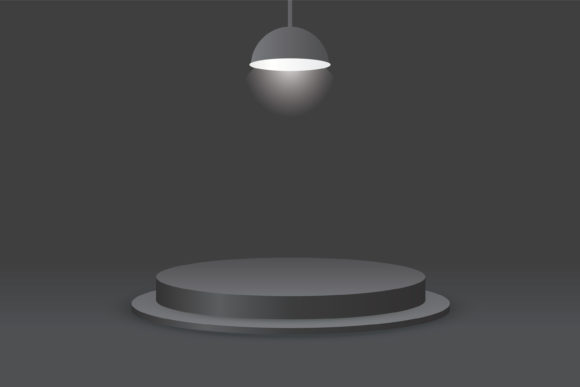
When a client approaches me with a request to elevate their product photography for an upcoming launch, the first thing I look for is a setting that commands attention without stealing the show. Recently, while scouting resources for a boutique skincare brand needing a high-end visual overhaul, I stumbled upon the 3d Product Display Background on Podium. As a designer who spends hours tweaking lighting and shadows in 3D software, finding a pre-rendered asset that actually looks credible is rare. This graphic design asset immediately stood out because it offers that polished, studio-quality depth that usually takes days to build from scratch.
The first impression of this asset is one of sophisticated minimalism. It creates a mood of exclusivity and professionalism, perfect for brands trying to position themselves as premium players in a crowded market. The visual elements feel grounded yet airy, utilizing soft gradients and realistic lighting to create a stage for the product. This isn't just a flat color; it's a fully realized environment. For small business branding, especially those in the handmade business or beauty sectors, this kind of visual trust is invaluable. It tells the customer before they even read a word that the product inside is worth the investment.
Elevating Brand Identity Across Multiple Channels
In a real-world scenario, versatility is king. I tested this 3d Product Display Background on Podium across several potential deliverables for my hypothetical client. For social media graphics, specifically Instagram posts and Pinterest pins, the asset acts as a powerful hero graphic. It provides an instant focal point where the product sits center stage. When used in marketing visuals like digital ads, the depth of the podium draws the eye naturally, improving click-through rates by offering a clear visual hierarchy.
Beyond social media, this asset shines in packaging design concepts and product mockups. Imagine presenting a new bottle design to a stakeholder; placing it onto this rendered podium instantly sells the idea better than a white background ever could. It works exceptionally well for web design headers, giving an e-commerce site a cohesive, editorial look. Even for printable design projects like lookbooks or editorial design spreads, the high resolution ensures that the textures and lighting hold up under scrutiny. It transforms a simple image into a creative design statement.
For those running an Etsy product shop or engaging in print-on-demand, this type of background is a game-changer. It allows sellers to create consistent product mockup images without needing expensive photography equipment. Whether you are creating a t-shirt design presentation or showcasing a ceramic mug, the podium provides a neutral yet dynamic base that makes the merchandise pop. It effectively bridges the gap between amateur snapshots and professional commercial design.
Strategic Placement and Visual Hierarchy
Understanding where to deploy this asset is crucial for maintaining visual hierarchy. The 3d Product Display Background on Podium works best in large layout areas where it can breathe. It is ideal for hero sections on websites, main campaign visuals, and dedicated product feature spots. In these contexts, it serves as a decorative accent that reinforces themed collections. The lighting inherent in the design guides the viewer's gaze directly to the center, ensuring that the brand logo or the product itself remains the primary focus.
However, caution is required when integrating this into complex layouts. Because the podium relies on shadow and light to create its 3D effect, using it in crowded designs or very small sizes can muddy the details. If your project requires a strictly minimalist branding approach with zero distraction, or if you are working on professional corporate materials that demand flat, vector-style cleanliness, this might be too ornate. It should be used carefully in low-contrast designs where the text needs to sit directly over the background; in such cases, ensure there is enough negative space or use an overlay to maintain readability.
Technical Performance and Designer Notes
From a technical standpoint, treating this as a serious graphic design asset means putting it through a rigorous workflow. Before committing to it for a client project, I always test it in black and white to ensure the contrast holds up without color reliance. This is vital for accessibility and for scenarios where the design might be printed on monochrome devices. Checking contrast on both light and dark variations of the background is also essential to guarantee that the product doesn't get lost in the shadows.
Previewing the asset at various scales is another non-negotiable step. Does the texture of the podium look realistic when scaled down for a mobile ad? Does it pixelate when blown up for a large format poster? While the description suggests high quality, verifying the file formats is key. If the pack includes PNGs, inspect the transparency edges closely to avoid halos around the podium. If vector files like SVG or AI are included, check the editability of the colors. The ability to easily change colors to match a client's specific RGB brand palette is a massive time-saver, turning a generic template into a custom brand identity tool.
Typography pairing is another area where this asset demands attention. The curved, organic nature of a 3D podium often pairs beautifully with clean sans serif fonts for a modern look, or elegant script fonts for a luxury feel. However, avoid overly busy display fonts or handwritten fonts that might clash with the structured geometry of the podium. Always confirm the commercial license before using it for a client or business project. Knowing you have the rights to use this in commercial design for unlimited clients protects both you and your customer.
Final Verdict on Commercial Viability
Ultimately, the 3d Product Display Background on Podium is more than just a pretty picture; it is a strategic tool for small business branding and creative marketplace success. It solves the problem of inconsistent product presentation by offering a unified, high-quality stage for any item. For designers, it cuts down production time significantly, allowing us to focus on strategy and typography rather than modeling environments from scratch.
Whether you are a Cricut user looking to enhance your product listings, a blogger needing eye-catching post images, or a seasoned agency director pitching a new campaign, this asset delivers. It supports the design direction by adding a layer of polish that screams "professional." By starting to build your own brand using creative assets like this, you ensure that every touchpoint—from a sticker design to a full-page web banner—feels cohesive and intentional. In a world where visual appeal drives sales, having a reliable, scalable, and aesthetically pleasing background in your toolkit is not just useful; it is essential.