Display Artistic Background: Graphics for Print Templates
As a brand designer who has spent the last decade helping local entrepreneurs stand out in crowded markets, I approach every new graphic design asset with a critical eye. It is not enough for something to look pretty on a screen; it must perform under the harsh lights of a retail shelf or the scrutiny of a social media feed. Recently, I evaluated the Display Artistic Background collection for a potential project involving a boutique handmade soap business, and my initial impressions were immediately positive. While I often champion clean, minimalist aesthetics, this set offered something different: texture, depth, and a tactile quality that digital designs often lack.
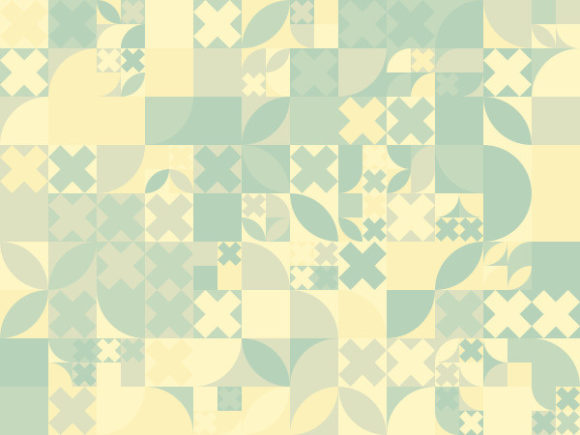
The mood created by these backgrounds is distinctly organic and artisanal. They do not scream "corporate" or "mass-produced." Instead, they whisper of craftsmanship, suggesting a brand personality that is friendly, handmade, and deeply connected to natural ingredients. For a local business owner selling products like candles, baked goods, or skincare, this emotional resonance is invaluable. The textures feel slightly imperfect in the best possible way, mimicking the look of hand-poured paper or naturally dyed fabric. This aesthetic fits perfectly with the current consumer demand for authenticity, making it an ideal choice for small business branding that aims to build trust through visual storytelling.
Transforming Local Products with Textured Depth
In the context of real-world application, the versatility of Display Artistic Background becomes apparent. I immediately envisioned using these patterns for the primary product label of our hypothetical soap brand. Unlike flat colors, these backgrounds provide a subtle visual hierarchy that draws the eye without overpowering the logo or essential product information. When applied to packaging design, such as box sleeves or jar wrappers, the asset adds a layer of perceived value. Customers often associate textured visuals with higher quality, meaning a simple upgrade in background graphics can justify a premium price point.
Beyond the physical product, these Graphics excel in creating a cohesive brand ecosystem. I tested the patterns as backgrounds for thank-you cards included in shipment boxes, and the result was a polished, professional touch that enhances the unboxing experience. They also work exceptionally well for hang tags, stickers, and even menu graphics for a café or bakery looking to emphasize their homemade ethos. For marketing visuals on Instagram or Facebook, these backgrounds serve as excellent canvases for promotional posts, ensuring that social media content feels consistent with the physical packaging. This consistency is crucial for brand identity, helping customers recognize the business across different touchpoints.
Strategic Placement for Maximum Impact
To get the most out of this asset, one must be strategic about where it is applied. The Display Artistic Background shines brightest when used as a hero graphic or a decorative accent on larger surfaces. It is perfect for product mockups used in web design or e-commerce listings, where the texture can be appreciated in high resolution. It also works beautifully on seasonal packaging, such as limited-edition holiday boxes, where a festive yet elegant backdrop can drive sales. For boutique visuals, using these patterns behind key messaging on flyers or posters creates a strong emotional connection with the viewer.
However, caution is required. These backgrounds are not suitable for every scenario. In formal corporate branding or industries requiring strict minimalism, the texture might feel too busy. More importantly, when designing very small labels or areas dense with legal information and ingredient lists, a heavy background can reduce readability. It is vital to maintain high contrast between the text and the background. If the pattern competes with important text, it undermines the visual hierarchy and frustrates the customer. For luxury minimalist brands that rely on vast amounts of white space, this asset might be too decorative unless used very sparingly as a border or accent.
Practical Notes for Professional Implementation
From a technical standpoint, working with this collection requires a few practical checks before finalizing any client work. First, always test the asset on real product mockup files to see how the texture translates in three-dimensional space. What looks flat on a monitor might reveal unexpected shadows or highlights when wrapped around a cylinder or box. Secondly, check the black and white usage. If your client needs cost-effective single-color printing, ensure the pattern retains its character when converted to grayscale.
The description notes that the file included is an SVG, which is easily editable and scalable to any size. This is a significant advantage for commercial design. Vector formats allow you to resize the graphics for everything from a tiny sticker to a massive trade show banner without losing resolution. However, always inspect the vector editability personally. Open the file in your preferred software to ensure the layers are organized and that you can easily recolor elements to match specific brand palettes. Compare the recolored versions against competitor packaging to ensure your client stands out rather than blends in.
Typography pairing is another critical consideration. Because the background has a handmade, organic feel, it pairs wonderfully with serif fonts that evoke tradition, script fonts that mimic handwriting, or display fonts with unique character. Avoid pairing it with overly geometric sans-serif fonts unless you are intentionally aiming for a modern-rustic clash. Finally, and perhaps most importantly, review the licensing terms. Confirm the commercial license allows for use in physical product sales and client branding projects. As a professional, ensuring you have the right to use these design assets for print templates intended for resale or mass production is non-negotiable.
Ultimately, the Display Artistic Background is more than just a digital texture; it is a tool for elevating professional branding. Whether you are a handmade business owner creating your own labels or a designer crafting a complete identity for a local food producer, this asset offers the depth and character needed to tell a compelling story. By using it thoughtfully, testing it rigorously, and applying it where it adds genuine value, you can create marketing materials and packaging that not only look beautiful but also drive customer trust and loyalty.