Display Artwork Art: Graphics for Print Templates
When a client approaches me with a request for a "handmade" aesthetic that still needs to feel premium, the pressure is on to find assets that don't look like generic clipart. Recently, while developing a brand identity for a boutique candle maker launching a seasonal collection, I needed textures and elements that felt organic yet scalable. That is when I pulled Display Artwork Art into my workflow. My first impression was immediate: this isn't just another sterile vector pack. It carries a mood of tactile warmth, perfectly bridging the gap between digital precision and the messy reality of physical crafting.
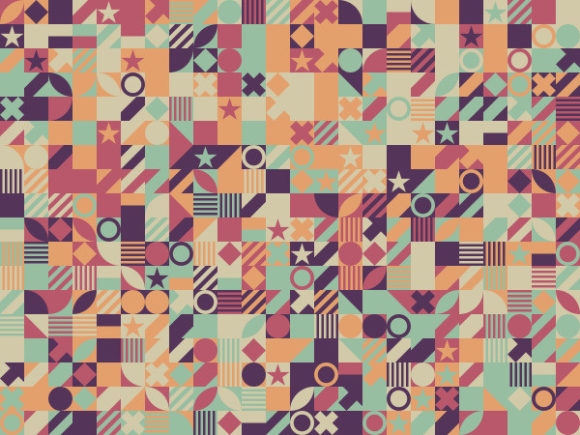
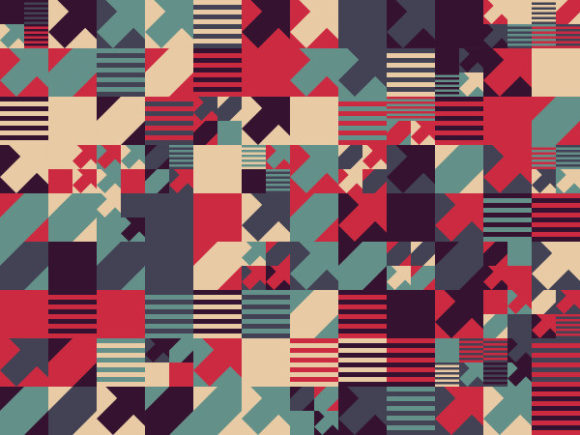
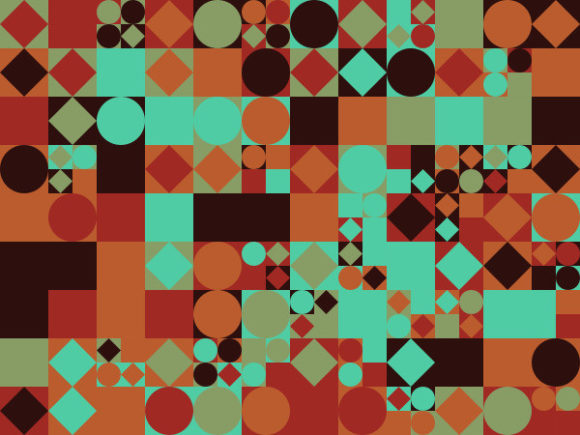
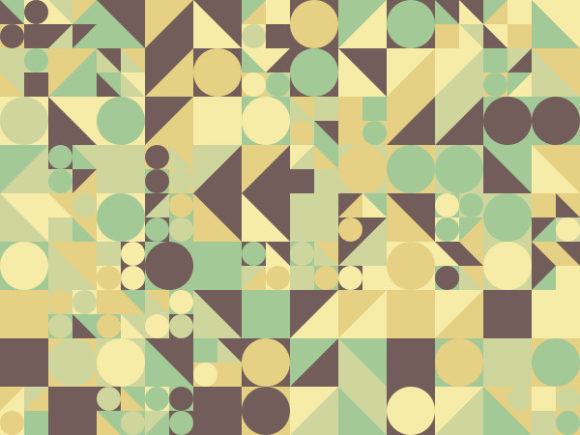
The visual language here speaks directly to the current trend of "imperfect perfection." In an era where consumers crave authenticity, these graphics offer a way to inject soul into brand identity projects without sacrificing professional polish. The description mentions getting hands dirty to create digital papers, and you can feel that intention in the texture. It represents a style that fits naturally with artisanal products, local events, Etsy shops, and small business branding efforts that need to stand out against the sea of minimalist corporate design.
Real-World Application in Client Projects
For the candle project, the goal was to create packaging that felt inviting on a shelf and photogenic on Instagram. Display Artwork Art became the backbone of our packaging design. Because the files are SVG-based, they are easily editable and scalable to any size, which is non-negotiable when you are moving from a tiny sticker on a jar lid to a large trade show banner. I was able to pull specific elements to use as decorative accents on the box sleeves, creating a themed collection that felt cohesive rather than random.
Beyond packaging, these assets shine in social media graphics. For the launch campaign, we used the textured elements to frame product shots for Pinterest pins and Instagram stories. The organic shapes broke up the rigid grid of the social feed, drawing the eye immediately to the product. They also worked exceptionally well for printable design assets like thank-you cards included in the shipment. When a customer opens a package and sees a card with high-quality, textured art, it elevates the perceived value of the entire purchase.
I have also tested these graphics for Cricut projects and sublimation design workflows. For a separate client running a print-on-demand shop, we applied these illustrations to tote bags and t-shirts. The scalability of the SVG format meant the lines remained crisp whether printed on a small mug or a large poster. This versatility makes it a powerful tool for digital sellers who need to maximize a single asset across multiple product lines, from sticker design sheets to large-format wall art.
Strategic Placement and Visual Hierarchy
Understanding where to place these assets is key to maintaining a strong visual hierarchy. Display Artwork Art works best in large layout areas or as hero graphics where the texture can be appreciated. It excels as a supporting brand element in editorial design, adding depth to blog headers or magazine spreads. In web design, using these elements as background patterns with reduced opacity can add a subtle layer of sophistication to a landing page without overwhelming the call-to-action buttons.
However, caution is required. These graphics should be used carefully in small sizes or crowded layouts. The intricate details that make them beautiful can turn into visual noise if shrunk down too far for a mobile favicon or a complex footer. They are not ideal for minimalist branding projects that rely on stark whitespace and ultra-clean lines, nor are they suitable for professional corporate materials like legal documents or financial reports where neutrality is paramount. In low-contrast designs, the textured nature of the art might get lost, so always ensure there is enough separation between the graphic and the background.
Impact on Readability and Brand Trust
The emotional appeal of Display Artwork Art is its strongest selling point. It fosters a sense of trust and approachability. For a handmade business, using sterile, perfect vectors can sometimes feel disconnected from the reality of the product. These graphics bridge that gap, enhancing audience engagement by signaling that care went into the design. However, readability must always come first. When overlaying text on these textured backgrounds, I always recommend adding a solid or semi-transparent shape behind the typography to ensure legibility.
Consistency is vital. If you use these warm, organic textures in your logo design, carry them through to your marketing visuals. Mixing them with clashing styles, such as ultra-modern geometric sans-serif fonts, can create a disjointed brand experience unless done with very specific artistic intent. When paired correctly with a complementary script font or a sturdy serif, the result is a polished, professional look that resonates with buyers looking for quality.
Pr Designer Notes and Technical Checks
Before committing to this asset for a commercial client, there are several practical steps I always take. First, test the design in black and white. This reveals whether the contrast holds up if the client ever needs to print on a single-color press or fax documents. Next, check the contrast on both light and dark backgrounds; some textured elements may disappear against busy patterns.
Always preview the asset at both small and large sizes to ensure the details don't blur or become too heavy. Place the graphics on real product mockups early in the process to see how they interact with lighting and shadows. Since the file included is an SVG, inspect the vector editability. Can you easily change colors to match a specific Pantone spot color? Is the path structure clean for cutting machines?
Compare the style against your current typography choices. Does it fight with your display font, or does it complement it? Finally, and most importantly, confirm the commercial license. Whether you are creating an Etsy product, a Canva template for resale, or a custom design bundle for an agency client, understanding the usage rights is critical to avoid legal issues down the line.
In conclusion, Display Artwork Art is more than just a collection of images; it is a strategic tool for designers working with brands that value character and story. By understanding its strengths in Print Templates and Graphics, and respecting its limitations, you can create work that feels both modern and timeless. It allows us to literally get our hands dirty in the digital realm, delivering results that feel authentic to the end consumer.