Necklace Display Cards for Crafts and Graphics
As a brand designer who has spent years refining visual identities for small business owners and creative entrepreneurs, I approach every new graphic design asset with a critical eye. Recently, I evaluated a specific collection of Necklace Display Cards intended for the Crafts and Graphics sectors. This isn't just about downloading a file; it is about determining whether a digital product can withstand the rigors of a real-world marketing campaign. My first impression was one of structured versatility. The mood these cards create is inherently professional yet accessible, bridging the gap between handmade charm and retail polish. For a brand owner launching a new jewelry line or refreshing seasonal social media visuals, this emotional tone is crucial. It signals to the audience that while the product may be artisanal, the business behind it is trustworthy and established.
Imagine a scenario where a boutique jewelry maker is preparing for a holiday product launch. They need to create a cohesive content kit that includes Pinterest pins, Instagram posts, and physical packaging inserts. This is where Necklace Display Cards shine. The asset functions as a foundational element for brand identity and packaging design. By utilizing these cards, the marketer can ensure that every piece of jewelry is presented with a consistent backdrop, creating a stronger first impression across all touchpoints. Whether used as a product label attached to the item or as a visual prop in social media graphics, the design supports a clearer visual hierarchy. It draws the eye directly to the product, improving audience trust and making the campaign visuals more memorable.
In terms of practical application, this design bundle offers significant value for various marketing visuals. For digital sellers and content creators, the utility extends beyond physical tagging. These elements can be integrated into digital ads and web design headers to simulate a tactile shopping experience online. When designing editorial design layouts for a blog post about jewelry care or styling tips, these cards serve as excellent decorative brand elements. They add depth to flat lay photography and provide a professional appearance to Canva template kits sold to other creators. The ability to use them in printable design formats means they are equally effective for event flyers, posters, and merchandise stickers, ensuring that the small business branding remains consistent whether the customer interacts with the brand online or in person.
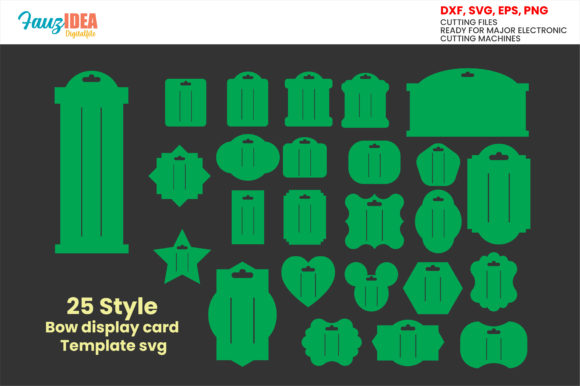
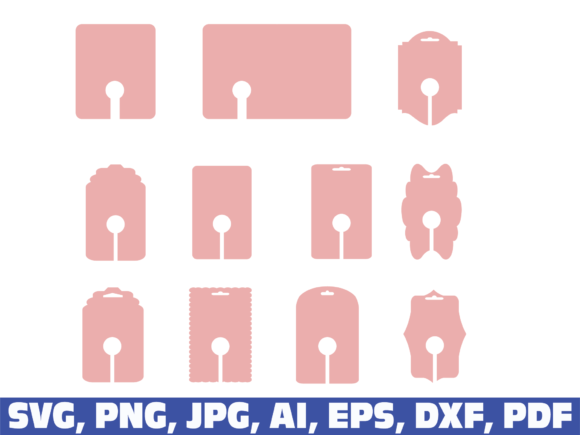
The core strength of this asset lies in its support for key marketing goals. A consistent visual presentation leads to stronger recognition and an emotional connection with the buyer. When a customer sees a uniform display card across different platforms, from Facebook ads to email banners, it reinforces the legitimacy of the brand. This consistency is vital for building audience trust. Furthermore, because the set includes different shapes and file types, it allows for better product presentation. Marketers can choose a card shape that complements the specific necklace style, ensuring the design asset enhances rather than competes with the main message. This level of detail contributes to a modern design aesthetic that appeals to today's discerning consumers.
However, like any creative design tool, there are contexts where Necklace Display Cards should be used carefully. In formal corporate branding environments, the aesthetic might feel too niche or craft-oriented. Similarly, in dense information layouts or text-heavy ads, adding these graphical elements could clutter the composition and reduce readability. They are also less effective on very small mobile graphics where fine details might get lost, or on low-contrast backgrounds where the card edges blend in. For overly minimal brands that rely strictly on typography, these illustrative elements might distract from the core brand voice. It is essential to ensure that the asset supports the narrative rather than overpowering it.
From a technical standpoint, here are my practical brand designer notes for maximizing this asset. First, always test the cards with your specific brand color palette. While the SVG and PNG files are versatile, they must harmonize with your existing colors to maintain professional branding. Check how the design looks in black and white, especially if you plan to print them on standard office printers for quick prototypes. Place the assets inside real campaign mockups before finalizing them; a card that looks good in isolation might feel off when placed next to your logo. Preview your designs on mobile screens to ensure the details remain crisp and the spacing feels balanced.
Typography pairing is another critical factor. Review how the cards look alongside serif fonts for a classic luxury feel, sans serif fonts for a modern clean look, or script and handwritten fonts for a personal, artisanal touch. Ensure there is enough negative space so the text does not crowd the illustration. Most importantly, confirm the commercial license before using these in paid campaigns, client work, or large-scale business branding. Understanding the licensing terms protects you and your clients, ensuring that your use of this design bundle from the creative marketplace is fully compliant. This due diligence is part of maintaining a reputable content marketing strategy.
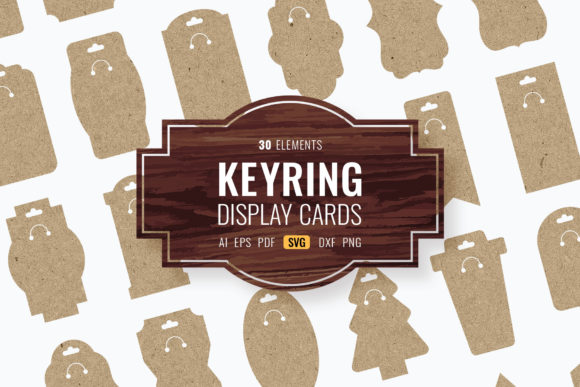
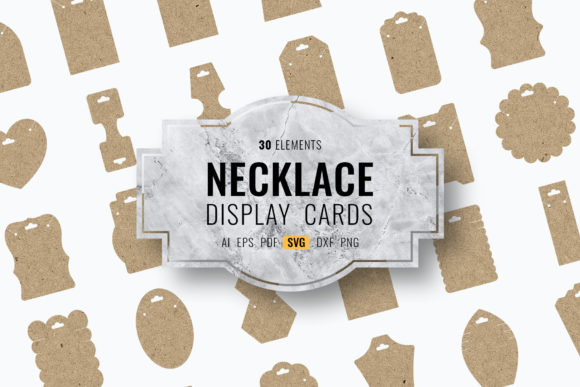
Ultimately, this set of 30 elements, which includes options with and without hanging holes, provides a robust foundation for anyone in the jewelry niche. It is particularly well-suited for those utilizing laser cutting machines to create physical inventory, as well as digital marketers needing high-quality clipart and illustration for online promotions. By integrating these design assets thoughtfully, brand owners can elevate their visual hierarchy, streamline their workflow, and present their products with the professionalism they deserve. Whether you are an online coach selling a course on jewelry making or a product creator launching a new line, these cards offer a tangible way to enhance your brand's perceived value.