Warning Display: A Designer's Take on Modern Embroidery
When I first pulled up the Warning Display file on my screen, my immediate reaction was one of cautious optimism. As someone who spends hours digitizing and stitching for clients, I know that a design looking sharp in a vector preview doesn't always translate well to thread. This Logos category asset promises elegance and modern versatility, but does it hold up under the needle? After reviewing the SVG compatibility and visual structure, I can say this is a strong contender for specific embroidery project types, provided you understand its limitations before hooping up.
First Impressions and Visual Personality
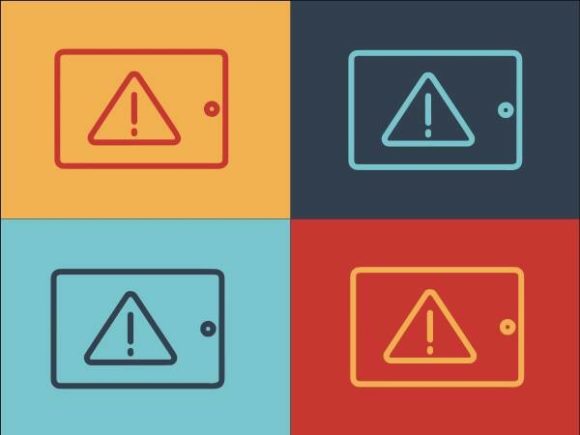
The aesthetic of Warning Display leans heavily into the contemporary minimal trend. It has a clean, geometric personality that feels authoritative yet stylish. For a designer, this is a double-edged sword. The simplicity means there are fewer places for errors to hide, but it also demands precision. The layout suggests a bold statement piece rather than a subtle background texture. When I imagine this stitched out, I see high contrast working in its favor. It creates a mood of professionalism and modern edge, making it an excellent candidate for boutique branding or personalized gifts that need to stand out without being overly ornate.
Because the source files are compatible with tools like Inkscape, Gravit Designer, and Adobe Photoshop, the potential for customization is high. However, as an embroidery reviewer, my focus shifts immediately to how these vectors will convert into stitch types. Will those sharp lines become crisp satin stitch columns, or will they require dense fill stitch areas that might pucker lighter fabrics? The visual clarity here is promising, suggesting that with the right digitizing adjustments, the finished product could look incredibly premium.
Real-World Application: The Custom Tote Scenario
To truly evaluate Warning Display, I imagined a real-life scenario: a local coffee shop owner needing a run of branded tote bags. This is a classic use case for Graphics of this nature. The design's modern vibe fits perfectly with the current market demand for eco-friendly, stylish carry-alls. If I were stitching this onto a heavy canvas tote bag design, the sturdy fabric would support the likely density of the logo.
In this context, the design acts as a focal point. Customers interacting with these bags would perceive the brand as current and attentive to detail. The handmade product value increases significantly when a logo looks intentional and clean. Unlike complex illustrations that can get lost in the texture of canvas, Warning Display offers enough negative space and defined shapes to remain legible from a distance. It would also work exceptionally well as an embroidered patch sewn onto the bag later, allowing for even higher stitch density without worrying about the base fabric's stability.
Navigating Fabric Challenges and Hoop Constraints
While the design shines on sturdy materials, caution is required when moving to trickier surfaces. If you plan to use Warning Display for sweatshirt embroidery on fleece or French terry, you must consider the fabric texture. The loops of these materials can swallow fine details. If the design includes thin running stitch outlines or tiny text elements, they might disappear into the pile. In such cases, I recommend increasing the stitch density slightly or using a heavier weight top stabilizer to ensure the threads sit on top of the fabric rather than sinking in.
Another critical factor is the hoop size. Since this is a logo template, it may come in various scales. Before committing to a production run, verify the maximum dimensions against your machine's capabilities. If you are attempting this on a cap, the curved surface adds another layer of complexity. The structural integrity of the design must be robust enough to handle the push and pull of the cap frame without distorting the geometric lines. For baby embroidery on soft knits, you would need to be extremely careful with underlay settings to prevent the design from becoming stiff and uncomfortable against sensitive skin.
Strategic Use for Small Business and Etsy Sellers
For the Etsy seller or creative entrepreneur, Warning Display represents a valuable design asset. Its versatility allows it to be adapted for a wide range of small shop product listings. You could easily feature this in printable mockup previews to gauge customer interest before stitching a single thread. Whether it's for holiday gifts, wedding favors, or corporate merchandise, the professional look of the design helps build customer trust.
However, commercial viability depends on more than just aesthetics. If you are selling custom apparel featuring this design, consistency is key. The design should look identical whether stitched in black thread on a white shirt or white thread on a navy hoodie. I strongly advise testing the design in both light and dark scenarios. Sometimes, a design relies too heavily on shadow effects that don't translate to thread, requiring you to simplify the color palette for the best commercial embroidery results.
Practical Notes for the Stitching Professional
Before you load this digital embroidery file into your machine, there are several practical steps you must take to ensure success. First and foremost, always test the design on scrap fabric that matches your final project material. This is non-negotiable. Check how the thread colors interact with the fabric; a color that looks vibrant on screen might appear dull once stitched.
- Stabilizer Selection: Choose a stabilizer that matches the fabric weight. Heavy designs need cut-away stabilizers for durability, especially for items that will undergo frequent washing.
- Detail Inspection: Zoom in on the SVG file. Look for anchor points that are too close together, which can cause thread breaks or bird nesting.
- Licensing Verification: Since this is a template intended for customization, confirm the licensing terms. Ensure you have the right to sell finished items or if the license is restricted to personal use only.
- Format Compatibility: While the description mentions SVG compatibility with Adobe and Inkscape, remember that most embroidery machines require specific formats like PES, DST, or XXX. You will likely need to digitize or convert this vector file into a proper embroidery file using software like Wilcom or Hatch.
Ultimately, Warning Display is a sophisticated tool in the hands of a knowledgeable maker. It offers a sleek, modern foundation for building a cohesive brand identity or creating stunning personalized gifts. By respecting the technical requirements of embroidery—such as fabric choice, stabilizer use, and stitch optimization—you can transform this elegant graphic into a tangible, high-value product that resonates with buyers and stands the test of time.