Display Classic Art: A Designer's Take on Embroidery Ready Graphics
As someone who spends half their life staring at screens and the other half wrestling with thread tension, I approach new design assets with a healthy dose of skepticism. We all love the promise of "clean design," but the real test is whether a graphic survives the transition from a crisp digital vector to a tactile, stitched reality. That is exactly where I found myself when evaluating Display Classic Art. While the product listing categorizes this under Print Templates and Graphics, my immediate instinct was to look past the ink and see the needle. Could this scalable SVG actually function as a robust machine embroidery design for a client project?
The First Impression: Mood and Visual Personality
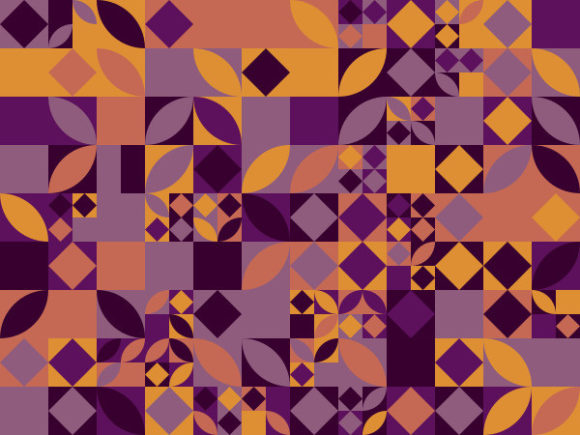
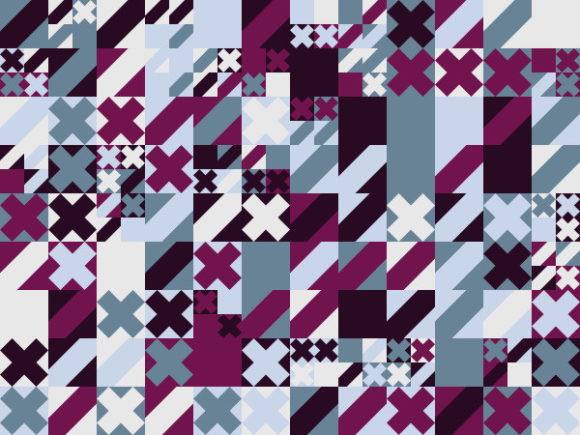
When I first opened the file, the mood was unmistakable. There is a timeless quality to Display Classic Art that suggests sophistication without being overly fussy. The shapes are deliberate, and the layout breathes well, which is crucial when you are planning to fill those spaces with thread. In the world of digital embroidery files, negative space is just as important as the stitch count. This design feels like it belongs on something substantial—a heavy cotton tote, a structured blazer pocket, or perhaps a high-end linen napkin set.
The visual personality leans towards the elegant side of classic. It does not scream for attention with neon colors or chaotic lines; instead, it invites a closer look. For an Etsy seller or a boutique owner, this is gold. It offers a level of professionalism that elevates a handmade product from a craft fair find to a branded merchandise item. The fact that the file is easily editable and scalable means I can shrink it down for a delicate baby embroidery project on a onesie or blow it up for a statement back patch on a denim jacket without losing the integrity of the lines.
Real-World Application: The Custom Tote Scenario
To truly gauge the potential of Display Classic Art, I mentally walked through a recent request I received for a set of custom market bags. The client wanted something that looked established and artistic, not like a generic clip-art slap. This is where the design shines. Imagine stitching this onto a natural canvas tote bag design. The clean lines would translate beautifully into a combination of satin stitch borders and fill stitch interiors.
If I were executing this, I would likely treat it almost like an applique design, even if it is purely stitched. By using a contrasting thread color against the canvas, the graphic pops with a modern vintage vibe. It fits perfectly into the current trend of "quiet luxury" in home goods and accessories. For a small shop product, this kind of subtlety builds brand trust. Customers perceive higher value in designs that look intentional and refined. Whether it is for holiday embroidery gifts or year-round inventory, the versatility here allows for a wide range of thread palettes, from monochromatic chic to earthy, botanical tones.
Technical Considerations for Stitching
However, enthusiasm must be tempered with technical realism. Just because an SVG is scalable does not mean every size is stitch-ready. When working with Display Classic Art on textured fabrics, one must be wary of how the stitch density interacts with the weave. If you are placing this on a thick terrycloth towel or a fuzzy sweatshirt, the finer details might get lost or cause puckering if the density is too high.
For sweatshirt embroidery, I would recommend simplifying any tiny internal details before digitizing or setting up the machine. Small corners and tight curves can be tricky; if the design has sharp angles, they may need to be slightly rounded in the software to prevent thread breaks or bird nesting. Furthermore, if you are attempting this on a curved surface like a cap, the layout needs to be centered perfectly to avoid distortion. Always check the hoop size requirements against your machine's capabilities. While the file scales, your hoop does not.
Fabric choice is another critical variable. On dark fabric, you will need to ensure your underlay is sufficient to prevent the background from showing through the thread colors. Conversely, on thin or stretchy fabric, a high-quality stabilizer is non-negotiable. I have seen beautiful designs ruined because the stabilizer could not handle the pull of the stitches, causing the final product to warp after the first wash. Since this design is intended for various applications, testing on scrap fabric that matches your final material is the only way to guarantee success.
Commercial Viability and Brand Consistency
For commercial embroidery projects, consistency is key. If you are selling a line of personalized gifts or custom apparel, Display Classic Art provides a solid foundation for brand consistency. Its classic nature means it is less likely to go out of style next season, making it a safe investment for your catalog. When customers see a cohesive look across your printable mockup images and the actual finished product, it reinforces professional reliability.
It is also worth considering how this design performs in black and white mockups. A strong design should hold its own without relying on color crutches. Display Classic Art appears to have the structural strength to work in a single color, which is excellent for cost-effective production runs or minimalist aesthetic requests. This adaptability makes it a valuable asset for creative entrepreneurs who need to pivot quickly between different client demands.
Final Verdict and Designer Notes
In conclusion, Display Classic Art is more than just a pretty graphic; it is a versatile tool for the thoughtful maker. It bridges the gap between digital precision and handmade warmth. However, before you commit to a full production run, keep these practical notes in mind:
- Test First: Always stitch a sample on scrap fabric identical to your final product to check for puckering or registration issues.
- Check Density: Review the stitch density settings. If the design feels too heavy for lightweight fabric, reduce the fill percentage.
- Contrast Matters: Ensure your thread colors provide enough contrast against the fabric texture for the details to remain visible.
- Licensing: Although the file is editable, always confirm the specific licensing terms regarding commercial use, especially if you plan to sell the digitized embroidery file itself or mass-produced items.
- Detail Inspection: Zoom in on small lettering or intricate corners. If they look too tight on screen, they will likely be problematic on the machine.
Ultimately, if you are looking to add a touch of timeless elegance to your embroidery project lineup, this design is a strong contender. It respects the medium of embroidery while offering the flexibility modern sellers need. With the right preparation and a keen eye for detail, Display Classic Art can help you create products that customers cherish and return to time and again.