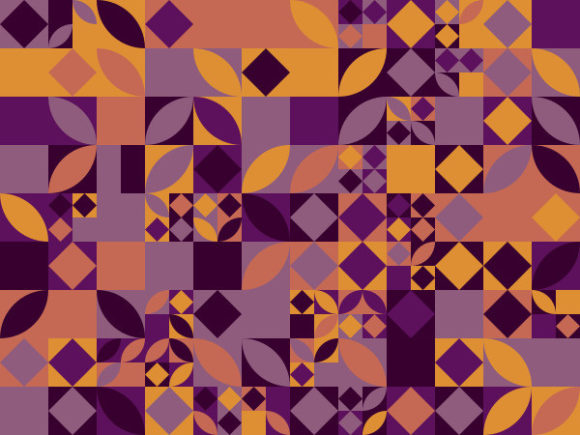
Display Ethnic Pattern: A Designer's Take on Real Stitching
As someone who spends more time staring at stitch maps than most people care to admit, I approach new design assets with a mix of excitement and skepticism. We all love clean lines in theory, but when it comes to actual thread hitting fabric, the devil is always in the details. That was my mindset when I first opened the files for Display Ethnic Pattern. Listed under Print Templates and Graphics, this set initially caught my eye for its bold, cultural aesthetic. But as an embroidery product reviewer, my job isn't just to admire the vector preview; it's to imagine how these shapes translate into a tangible machine embroidery design that holds up under the needle.
The Visual Personality and First Impressions
The first thing you notice about Display Ethnic Pattern is its rhythmic complexity. It doesn't shy away from intricate geometry, which is fantastic for creating visual interest. The mood it creates is grounded and artisanal, perfect for projects that need to feel handmade rather than mass-produced. When I look at the layout, I see a design that demands respect for negative space. It's not just a block of color; it has a flow that suggests movement. For an embroidery project, this means the digitizer (or you, if you are editing the embroidery file) needs to be careful about how those transitions are handled. If the lines are too close together, you risk thread buildup; if they are too far apart, the pattern loses its cohesion. The visual personality here screams "boutique quality," making it an ideal candidate for brands looking to elevate their perceived value.
Real-World Application: The Tote Bag Test
To truly evaluate this design, I mentally walked through a common scenario for many Etsy sellers and craft business owners: creating a custom embroidered tote bag. Imagine a heavy canvas tote in a natural oatmeal color. You want to place Display Ethnic Pattern centrally as a statement piece. Because the design features ethnic motifs, it pairs beautifully with earthy tones. However, the scalability mentioned in the description ("Easily editable and scalable to any size") is a double-edged sword. Just because you can make it huge doesn't mean you should without checking your stitch density.
In this specific case, using the pattern on a tote allows for a larger hoop size, which gives the intricate details room to breathe. If I were stitching this for a client, I'd lean towards a combination of satin stitch for the borders to give a crisp definition and a lighter fill stitch for the internal geometric shapes. This approach ensures the fabric texture of the canvas still peeks through slightly, maintaining that organic feel. For a small shop product, this level of thoughtfulness is what turns a browser into a buyer. It shows that the finished product wasn't just slapped together; it was curated.
Navigating Fabric Challenges and Limitations
While Display Ethnic Pattern shines on stable fabrics like canvas or denim, caution is required when moving to trickier materials. If you are planning sweatshirt embroidery or working with stretchy knits for baby embroidery projects, the dense areas of this pattern could become problematic. Heavy stitching on stretchy fabric often leads to puckering, where the design pulls the material inward, distorting the beautiful ethnic lines. In these instances, your choice of stabilizer becomes critical. A cut-away stabilizer would likely be necessary to support the weight of the thread, especially if the design utilizes multiple thread colors that add bulk.
Furthermore, consider the surface you are stitching on. Curved surfaces, like caps or hats, require a different strategy. The geometric precision of Display Ethnic Pattern might warp if stitched over the front panel of a cap without proper hooping techniques. Similarly, if you are attempting this as an applique design on a textured towel, ensure the underlying fabric doesn't compete with the design's clarity. Dark fabrics present another hurdle; if the pattern relies on fine running stitch details, they might get lost against a black background unless you use a high-contrast thread or an underlay stitch to pop the design forward.
Commercial Viability and Brand Consistency
For commercial embroidery professionals and digital product sellers, the consistency of the output is paramount. Does Display Ethnic Pattern look professional enough to justify a higher price point? Absolutely, provided it is executed correctly. The cultural richness of the pattern adds a layer of storytelling to your products, whether it's a holiday gift, a wedding favor, or a piece of nursery decor. Customers today are drawn to items that feel authentic. Using a design with this much character can enhance your brand recognition, making your handmade product instantly recognizable in a crowded marketplace.
However, before listing this as a custom apparel option or selling it as part of a bundle, you must verify the licensing terms. The description mentions SVG files and editability, which is great for customization, but commercial rights vary. Always confirm whether you can sell the physical finished product or if there are restrictions on selling the digital file itself. For those creating printable mockup previews for their shops, the scalability of the graphic allows you to show the design on various items, from aprons to pillow covers, giving customers a clear idea of the potential application.
Practical Notes for the Serious Maker
If you decide to move forward with Display Ethnic Pattern for your next batch of goods, here is my professional advice based on years of trial and error:
- Test on scraps first: Never run a complex ethnic pattern on your final garment without a test stitch-out on the exact same fabric weight.
- Check contrast: View your design in black and white on your screen. If the details disappear in grayscale, your thread color contrast might be too low for real-life viewing.
- Mind the density: If the design feels stiff after stitching, try reducing the fill density in your software if the file format allows editing.
- Verify dimensions: Ensure the scaled size fits your specific hoop. Don't assume "scalable" means it fits every machine automatically.
- Inspect small details: Zoom in on the corners of the pattern. Sharp corners in ethnic designs can sometimes cause thread breaks if not properly programmed.
- Consider the wash: Think about how the item will be cared for. Dense patterns on items like kitchen towels need to withstand frequent washing without fraying.
Ultimately, Display Ethnic Pattern offers a rich visual language that, when treated with technical respect, can transform simple goods into cherished keepsakes. Whether you are a hobbyist making a personalized gift or an entrepreneur building a catalog, the key lies in understanding the relationship between the digital file and the physical thread. By paying attention to fabric choice, stabilization, and stitch execution, you can ensure that the final result honors the intricate beauty of the original design.