Review: Display Type Box Die Cut Die Line for Packaging
As a designer who spends most of my day staring at stitch charts and vector paths, I approach every new digital embroidery file or graphic asset with a critical eye. We are all looking for that perfect element to elevate a handmade product, but often we find files that look great in a thumbnail and fall apart in production. Today, I am evaluating the Display Type Box Die Cut Die Line. While this asset originates in the Crafts and Graphics categories as a packaging template, its structural integrity and clean lines make it a fascinating subject for those of us who bridge the gap between flat design and textured embroidery project planning.
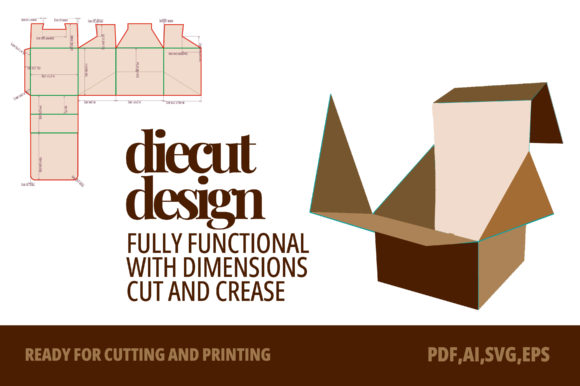
My first impression of the Display Type Box Die Cut Die Line was one of professional utility. In the world of small shop product creation, presentation is everything. This isn't just a box; it is a "Snap Lock" display design, which implies a specific mechanical function. For an Etsy seller or a boutique owner, the mood this creates is one of reliability and high-end finish. The layout is straightforward, avoiding unnecessary flourishes that often complicate die-cutting or, by extension, complex stitching if adapted for fabric patches. The visual personality is industrial yet accessible, making it suitable for a wide range of custom apparel branding or physical product packaging.
Real-World Application: From Screen to Stitch
To truly test the viability of this design, I imagined a specific real-life scenario. Picture a client order for a limited run of embroidered tote bags intended for a local coffee roaster. The goal is to create a personalized gift set that includes the bag and a matching package of beans. Here, the Display Type Box Die Cut Die Line serves a dual purpose. First, it acts as the literal template for the bean packaging, ensuring a consistent brand look. Second, and more importantly for us embroiderers, the geometric clarity of the box design translates exceptionally well into a satin stitch logo on the tote bag itself.
When adapting the sharp corners and straight lines of this die line into an embroidery file, the result is a crisp, modern aesthetic. Unlike organic shapes that require careful fill stitch management to avoid puckering, the linear nature of this box design allows for precise running stitch outlines or dense satin columns that hold their shape beautifully on canvas or heavy cotton. If you are creating an embroidered patch to attach to a sweatshirt embroidery project, this shape provides a sturdy border that frames your internal branding perfectly. Customers react positively to this kind of geometric consistency; it signals that the finished product was planned with care, boosting customer trust and perceived value.
Navigating Fabric Challenges and Stitch Density
However, practical design judgment requires us to look at where things might go wrong. The Display Type Box Die Cut Die Line features sharp angles and a "Snap Lock" mechanism in its original form. When translating this to fabric, specifically for baby embroidery or lightweight custom apparel, one must be cautious. Sharp corners in embroidery can sometimes lead to thread bunching if the stitch density is too high. If you are digitizing this shape yourself or using a pre-made version, ensure the turn points are programmed correctly to prevent bird-nesting.
Furthermore, consider the fabric texture. On a textured towel or a ribbed knit cap, the clean lines of this box design might get lost if the thread colors do not offer enough contrast. I strongly advise testing the design on scrap fabric first, especially if you are working with stretchy materials. A stabilizer with the appropriate weight is non-negotiable here; without it, the structural rigidity of the box shape will warp, ruining the professional look you are aiming for. For dark fabrics, remember that a light-colored outline might be necessary to define the edges clearly, whereas on light fabrics, a bold, dark thread will maximize the visual impact.
Enhancing Brand Consistency and Commercial Value
For creative entrepreneurs and craft business owners, the true power of the Display Type Box Die Cut Die Line lies in brand consistency. Using the same geometric language across your physical packaging and your embroidered merchandise creates a cohesive brand identity. Whether you are selling at a craft fair or managing an online store, this level of detail separates hobbyists from professionals. It affects buyer engagement because the customer sees a unified story: the box they receive matches the logo on the bag they bought.
This asset is particularly valuable for holiday embroidery gifts or wedding favors where the unboxing experience is part of the gift. A well-constructed display box combined with a neatly embroidered item suggests a premium handmade product. It elevates the item from a simple commodity to a curated experience. For commercial embroidery projects, this means you can charge a higher price point because the overall presentation justifies it. The design supports printable mockup creation as well, allowing you to showcase your design assets in a realistic setting before you even stitch a single thread.
Final Designer Notes and Best Practices
Before you commit to using the Display Type Box Die Cut Die Line for your next big batch of orders, there are a few housekeeping items to address. Since the product description mentions files included in four formats, verify immediately which ones you have and if they match your software capabilities. Do not assume compatibility; always check the file types against your cutter or embroidery machine requirements.
Additionally, review the licensing terms carefully. The description states, "you will get all what you see in pictures," but it does not explicitly detail commercial rights for resale of the digital file versus the physical finished good. As a rule of thumb, confirm whether you are allowed to sell the digital embroidery file itself or only the finished product created using the design. This distinction is crucial for Etsy sellers and digital product sellers to avoid copyright issues.
In terms of execution, compare how the design looks in both black and white mockups. This helps you understand the silhouette strength independent of color. Ensure your hoop size is large enough to accommodate the full width of the box without needing to re-hoop, which can cause alignment issues. Finally, inspect small details like the snap-lock tabs; if these are too small for your machine's minimum stitch length, they may need to be simplified or removed for the embroidery version while keeping them for the paper packaging version.
The Display Type Box Die Cut Die Line is a robust tool in the Crafts and Graphics toolkit. When applied with thoughtfulness to tote bag design, apron branding, or packaging solutions, it delivers a level of polish that customers notice and appreciate. It is a reminder that great design is not just about the decoration, but about the structure that holds it all together.