Display SVG Typography: A Designer's Review for Stitchers
As a designer who spends more time staring at stitch simulations than actual sleep, I am always cautious when a new digital embroidery file lands on my desk. The market is flooded with generic assets, so when I opened the folder for Display SVG Typography, my first instinct was to scrutinize the lines before even thinking about thread. This isn't just a graphic; it is a potential centerpiece for a handmade product that needs to survive the wash cycle and look good on a customer's back.
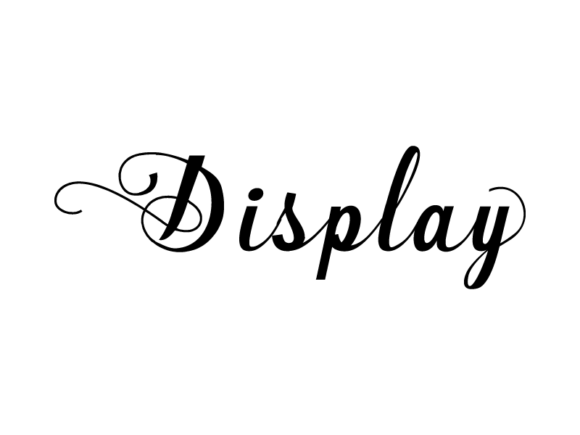
The first impression of this Graphics asset is its organic, hand-drawn personality. In a world of perfect geometric sans-serifs, there is a refreshing warmth here. The strokes vary in weight, mimicking the pressure of a real pen or brush. For an embroidery project, this is a double-edged sword. Visually, it screams "boutique" and "custom," which is exactly what Etsy sellers and small shop owners want to convey. However, those varying line widths mean you cannot simply dump this into your machine without strategy. The mood is playful yet sophisticated, making it ideal for lifestyle brands, nursery decor, or anyone trying to move away from the stiff, corporate look of standard fonts.
Real-World Application: The Tote Bag Test
To truly evaluate Display SVG Typography, I imagined a specific scenario: a custom order for a local coffee shop needing branded tote bags. These aren't cheap promotional throwaways; they are canvas totes meant for daily use. This is where the design shines. Because the typography has character, it elevates a simple bag into a fashion statement. When digitized correctly, the slight imperfections in the letterforms translate beautifully into satin stitch or a tight fill stitch, giving the finished product a high-end, artisanal feel.
I also visualized this on a sweatshirt embroidery project. Heavy cotton blends can swallow up fine details, but the bold nature of this display type holds its own. If you are creating custom apparel for a boutique, this design offers enough visual weight to be readable from across the room while maintaining that hand-crafted intimacy up close. It works exceptionally well for holiday embroidery gifts too, adding a personal touch to pillows or tea towels that feels less like a factory print and more like a personalized gift.
Navigating Fabric and Hoop Challenges
While the aesthetic is strong, practical application requires caution. If you are working with textured fabrics like waffle knit or heavy linen, the finer tails of the letters might get lost. In these cases, I recommend testing the design on scrap fabric first. You need to see how the thread colors interact with the fabric texture. A dark thread on a dark, nubby fabric might result in a muddy mess where the letterforms lose their definition.
Another critical factor is the hoop size. Display typography often relies on the flow of the entire word or phrase. If you are forced to downsize this design to fit a small cap hoop or a tiny pocket on a baby onesie, you risk losing the integrity of the hand-drawn lines. Tiny lettering in a complex script can lead to bird nests and thread breaks if the stitch density is too high for the scale. For baby embroidery or small patches, ensure the design is large enough that the stitches don't become too dense, which can make the fabric stiff and uncomfortable against sensitive skin.
Curved surfaces present another hurdle. If you plan to use this on a structured cap, remember that the fabric is not flat. The distortion can make straight baselines look curved or compress the letters. Always run a simulation or a test stitch-out on a similar curved surface before committing to the final commercial embroidery run. Using the proper stabilizer is non-negotiable here; a cut-away stabilizer is often safer for stretchy garments to prevent the design from warping after repeated wear and washing.
Commercial Value and Brand Consistency
For craft business owners, the value of a design lies in its versatility and the perceived quality of the end result. Display SVG Typography excels at building brand recognition. Because it feels unique, it helps differentiate your small shop product from the sea of identical items found in big-box stores. When a customer sees this level of detail, it builds trust. They perceive the item as higher value, which justifies a higher price point.
This asset is also a goldmine for creating printable mockups. Before you even stitch a single thread, you can place this SVG into your digital previews to show clients exactly how their embroidered patch or tote will look. This visual clarity reduces back-and-forth communication and speeds up the approval process. Whether you are selling the physical handmade product or offering customization services, having a distinct typographic style helps maintain brand consistency across your Etsy listings and social media channels.
Essential Designer Notes for Success
Before you integrate Display SVG Typography into your workflow, keep these practical steps in mind:
- Check Contrast: Always view your design in black and white mockups first. If the letters don't stand out clearly without color, no amount of pretty thread will save the legibility.
- Verify Licensing: Since this falls under Crafts and Graphics, confirm the license terms. Can you sell the stitched item? Can you sell the digital file? Never assume; read the fine print to protect your business.
- Test Density: Hand-drawn styles can sometimes have overlapping paths that create excessive stitch density. Inspect the digitized file for pull compensation and underlay settings to ensure clean edges.
- Fabric Matching: Compare light and dark fabric backgrounds. You may need to adjust the underlay or add a backing layer for dark garments to prevent the fabric color from showing through the stitches.
- Scrap Testing: Never skip the test run. Stitch on the actual fabric you intend to use, wash it, and dry it. See how the design holds up to stress.
In conclusion, Display SVG Typography is a robust tool for the modern maker. It bridges the gap between digital convenience and analog charm. While it demands respect regarding sizing and fabric choice, its ability to transform a simple garment into a story-telling piece makes it a worthy addition to any designer's library. Just remember, the file is only half the battle; your expertise in handling materials and machine settings is what turns this design asset into a masterpiece.