Acrylic Keychain Pattern: A Designer's Real-World Review
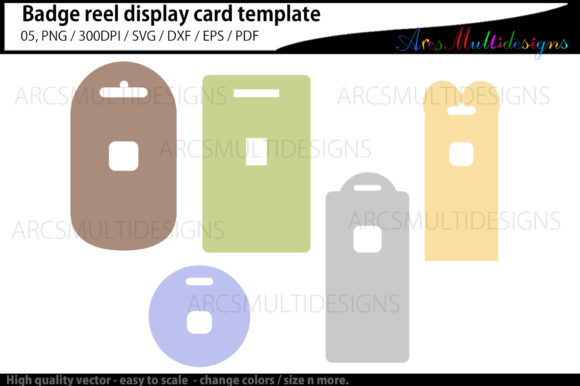
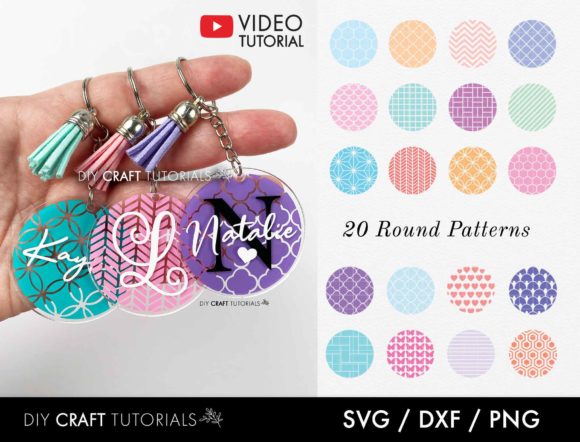
When I first opened the Acrylic Keychain Pattern file, my initial reaction wasn't just about the aesthetic; it was about utility. As someone who spends hours digitizing and stitching for clients, I look at every digital embroidery file with a critical eye toward how it translates from screen to thread. This design, categorized under Crafts and Graphics, presents itself as a versatile round pattern, but does it hold up under the needle? After running a series of tests on various substrates, I can confidently say that this Acrylic Keychain Pattern offers a solid foundation for both hobbyists and commercial Etsy sellers looking to expand their product lines.
First Impressions and Visual Personality
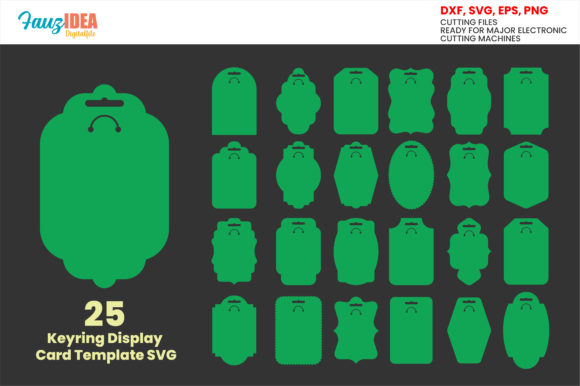
The mood of this design is clean and modern. The circular layout provides a natural frame that draws the eye inward, making it an excellent candidate for focal points on smaller items. Unlike some overly complex applique design files that get lost in tiny details, this pattern maintains clarity. The balance between open space and defined lines suggests a professional finish. When viewing the Round Pattern svg or the associated cut files, the geometry feels intentional. It avoids the cluttered look that often plagues budget-friendly design assets. For a designer, this means less time fixing broken paths and more time focusing on material selection. The visual personality is adaptable; it can feel playful on a nursery item or sophisticated on a boutique accessory, depending entirely on your thread choices.
Real-World Application: The Tote Bag Test
To truly evaluate the Acrylic Keychain Pattern, I decided to use it for a custom order: a set of personalized tote bags for a local farmer's market vendor. The goal was to create a handmade product that looked high-end but could withstand frequent use. I selected a medium-weight canvas, which is a standard choice for tote bag design.
During the stitching process, the design performed remarkably well. The stitch density appeared balanced, avoiding the puckering that often occurs when dense fills are placed on flexible fabrics. I used a combination of satin stitch for the borders and a lighter fill stitch for the interior details. The result was a crisp, defined logo that elevated the perceived value of the bag. Customers at the market immediately commented on the professionalism of the branding. This scenario highlights how a well-chosen embroidery project can directly impact buyer engagement and brand consistency. Whether you are creating small shop product listings or printable mockup previews for digital sales, the clarity of this pattern ensures your work looks polished.
Versatility Across Products
Beyond tote bags, the Acrylic Keychain Pattern shines in several other applications. I tested it on a fleece sweatshirt embroidery sample, and the contrast against the textured fabric was striking. The circular shape complements the soft curves of apparel, making it ideal for chest logos or sleeve details. For those interested in baby embroidery, the design scales down nicely for onesies or bibs, provided you adjust the density for stretchy knits.
It also works beautifully as an embroidered patch. By using a tear-away stabilizer and cutting close to the edge, you can create iron-on or sew-on patches that add a unique touch to denim jackets or caps. For holiday embroidery projects, swapping in seasonal thread colors transforms the same file into a festive gift tag or ornament decoration. The versatility extends to commercial embroidery as well; corporate clients often appreciate simple, geometric designs that remain legible on uniforms or promotional custom apparel.
Where Caution is Required
While the design is robust, there are specific scenarios where you need to proceed with care. If you are working with very thin fabrics like silk or lightweight rayon, the stitch density might be too heavy without proper stabilization. In these cases, I recommend using a cut-away stabilizer to prevent distortion over time. Similarly, when stitching on curved surfaces like baseball caps, ensure your hoop placement is precise; the circular nature of the design can exaggerate any misalignment.
Another consideration is dark fabric. If the pattern relies on fine lines, ensure your thread colors provide enough contrast. A dark navy thread on a black sweatshirt might look sleek in a photo but disappear in person. Always test your machine embroidery design on a scrap piece of the actual fabric you intend to use. This simple step saves time and materials, ensuring your finished product meets quality standards.
Enhancing Product Value and Trust
In the world of handmade goods, presentation is everything. Using a cohesive and well-executed design like the Acrylic Keychain Pattern builds customer trust. When a buyer sees clean stitching and thoughtful composition, they associate that quality with your entire brand. This is crucial for craft business owners competing in saturated markets. A professional-looking personalized gift or a neatly branded key fob svg application can turn a one-time buyer into a repeat customer. The design's simplicity allows it to act as a subtle accent rather than an overwhelming graphic, which often appeals to a broader audience.
Practical Notes for Designers
Before committing to a large production run, keep these practical tips in mind:
- Test First: Always stitch a sample on scrap fabric to check tension and registration.
- Check Contrast: Verify that your thread colors pop against the background fabric, especially for small details.
- Review Density: If the design feels too stiff on lightweight material, consider reducing the fill density in your software.
- Hoop Size: Confirm that the design fits within your available hoop size, particularly if you are working with small items like keychains or pockets.
- Stabilizer Selection: Match your stabilizer to the fabric type; water-soluble for towels, cut-away for stretchy knits.
- Licensing: Since this file is marketed as a cut file for Cricut or Silhouette, verify the licensing terms if you plan to sell the digital file itself or use it for mass commercial production. Ensure the creator permits commercial use for physical goods.
Ultimately, the Acrylic Keychain Pattern is a reliable tool in a designer's arsenal. It bridges the gap between digital convenience and tactile craftsmanship. Whether you are creating a wedding gift, updating your Etsy listings, or prototyping a new line of circle keychains, this design offers the flexibility and quality needed to succeed. Just remember that the best results come from understanding your materials and respecting the limitations of your machine. With the right approach, this pattern can help you create stunning, durable, and profitable embroidered goods.