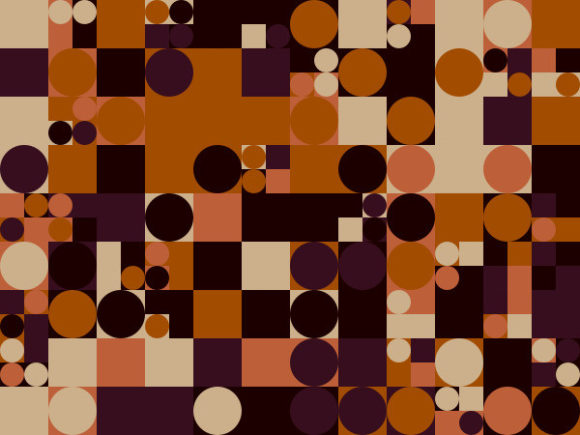
Review: Display Ethnic Backdrop for Real Embroidery
As a designer who spends more time staring at stitch simulations than most people care to admit, I approach every new digital embroidery file with a mix of hope and skepticism. We all love clean lines and perfect vectors on a screen, but the true test of any design is how it translates from a Print Templates category listing into thread on fabric. Recently, I took a close look at Display Ethnic Backdrop, a graphic asset that caught my eye for its potential in creating textured, culturally rich backgrounds for various projects. While the product description highlights its scalability as an SVG and mentions "getting hands dirty" with digital papers, my job is to determine if this aesthetic holds up under the needle of a machine.
The Visual Personality and First Impressions
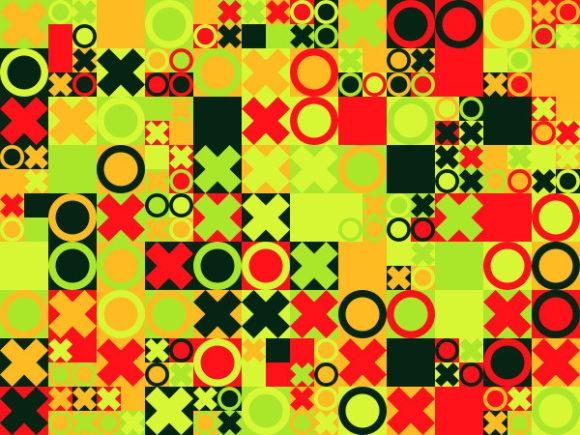
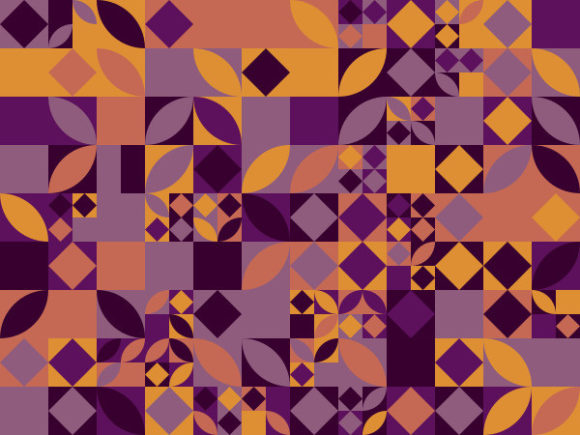
When I first loaded Display Ethnic Backdrop into my design software, the immediate impression was one of organic warmth. Unlike many sterile, geometric patterns that dominate the current market, this set offers a mood that feels grounded and artisanal. The shapes suggest a handcrafted origin, which is exactly the vibe many of us are trying to capture in our handmade product lines. For an embroidery project, visual personality is everything; it dictates whether a customer stops scrolling or keeps moving.
The layout appears versatile enough to serve as a primary focal point or a subtle textural element. However, because this is categorized under Graphics and includes an SVG, it requires some translation before it becomes a functional machine embroidery design. You aren't just downloading a ready-to-stitch file; you are acquiring a robust design asset that needs your expertise to convert those scalable vectors into satin stitch, fill stitch, or running stitch commands. This is actually a benefit for experienced decorators, as it allows you to control the stitch density based on the specific fabric you are using.
Real-World Application: The Boutique Tote Scenario
To truly evaluate Display Ethnic Backdrop, I imagined a real-life scenario that many Etsy sellers and craft business owners face daily: creating a line of custom tote bags for a local boutique. The client wanted something that felt earthy and unique, avoiding the generic looks found in big-box stores. This is where the ethnic motif shines. If I were to digitize this SVG for a tote bag design, the intricate details would add a layer of perceived value that justifies a higher price point.
Imagine stitching this onto a heavy canvas tote. The texture of the fabric combined with the complex lines of the backdrop would create a beautiful interplay of light and shadow. It would work exceptionally well as a large back-panel design or even broken down into smaller elements for an embroidered patch that gets sewn on later. For a small shop product, consistency is key. Using this design across a collection—perhaps on aprons, tea towels, and pillow covers—would establish a strong brand identity. Customers appreciate when a finished product looks like it belongs to a curated collection rather than a random assortment of clips.
Considerations for Custom Apparel and Gifts
Beyond home goods, there is significant potential here for custom apparel. Picture a oversized sweatshirt with this motif stitched in a monochromatic thread scheme on the sleeve or lower hem. It elevates a basic garment into a piece of sweatshirt embroidery art. Similarly, for baby embroidery, scaling down the softer elements of the design could create a stunning backdrop for a name on a onesie or blanket, provided the details are simplified enough for small hoops.
However, we must be realistic about limitations. If you are planning to use this for holiday embroidery gifts or wedding favors, consider the recipient's lifestyle. A highly detailed background might not survive the industrial washers of a hotel if used on a robe, nor is it ideal for a child's shirt that sees daily rough play. In these cases, using the design as a lighter accent or reducing the thread colors to improve durability is a smart move. For personalized gift items, the emotional connection often outweighs technical perfection, but the stitching still needs to hold up.
Technical Challenges and Fabric Compatibility
One cannot review a design like Display Ethnic Backdrop without discussing the technical hurdles. Since the source file is an SVG intended for scalability, the onus is on you, the digitizer or embroiderer, to manage the complexity. On textured fabrics like terry cloth or waffle weave, fine details can get lost. On stretchy knits, high-density fill areas can cause puckering if the stabilizer isn't chosen correctly. I always advise testing on scrap fabric first. What looks crisp on a printable mockup might turn into a bird's nest of thread if the tension isn't dialed in.
Dark fabrics present another challenge. If the design relies on negative space or fine running stitches, it may vanish against a black or navy background. In such cases, you might need to add a satin stitch border or increase the fill density to ensure visibility. Conversely, on thin fabrics like silk or lightweight linen, a dense interpretation of this backdrop could make the garment stiff and uncomfortable. Always check the hoop size requirements; if the design is large, you may need to split it or use a jumbo hoop, which not all machines support.
Maximizing Value and Professionalism
Ultimately, the value of Display Ethnic Backdrop lies in how it enhances your professional presentation. For commercial embroidery projects, clients pay for expertise and vision. By taking a scalable graphic and expertly translating it into a stitch file, you demonstrate a level of skill that builds customer trust. It shows that you aren't just buying pre-made files; you are curating and engineering designs specifically for their needs.
This approach also aids in brand consistency. If you are an apparel decorator working with a client who has a specific ethnic or bohemian brand aesthetic, this design serves as a perfect foundation. It allows you to create a cohesive look across different products, from caps to blankets. When a buyer sees that level of thoughtfulness in the finished product, they are more likely to return and recommend your services.
Final Verdict and Designer Notes
Before diving into production with Display Ethnic Backdrop, here are a few practical steps I recommend. First, verify the licensing terms. Just because a file is editable doesn't automatically mean it is cleared for unlimited commercial resale as a digital product; check if it is licensed for physical goods versus digital assets. Second, test your digitized version in both black and white mockups to ensure the contrast works without relying on color. Third, pay close attention to the corners and tiny details during the stitching phase; these are often the first places where registration issues appear.
In conclusion, while Display Ethnic Backdrop starts as a graphic in the realm of Print Templates, its potential as a cornerstone for unique embroidery work is substantial. It offers a distinct visual language that stands out in a crowded market. Whether you are creating a single personalized gift or launching a new line of small shop merchandise, this design rewards those who take the time to understand its structure and adapt it thoughtfully to the medium of thread. It is a reminder that sometimes the best embroidery file is the one you shape yourself to fit the story you want to tell.