Review: Display Bohemian Pattern for Real Embroidery
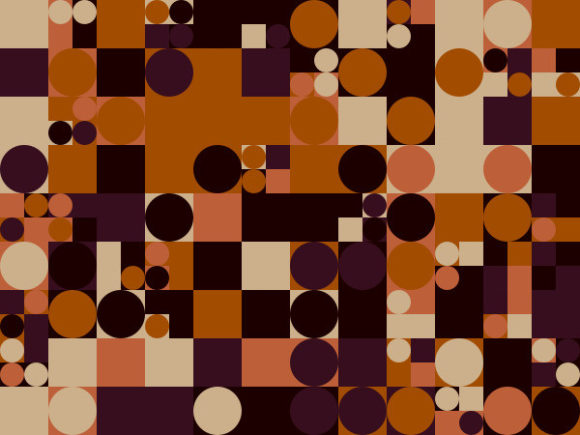
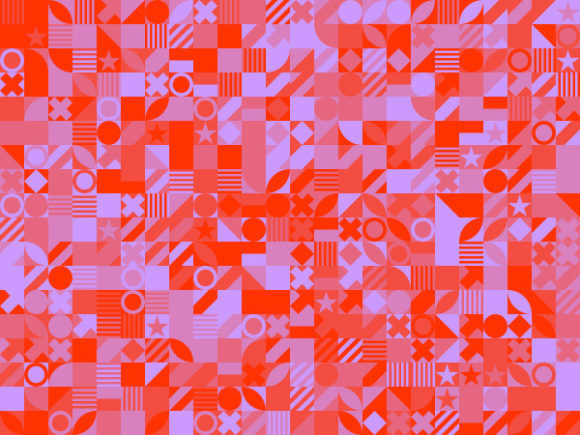
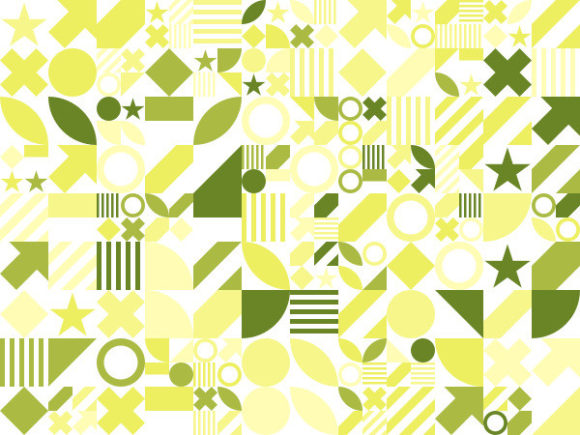
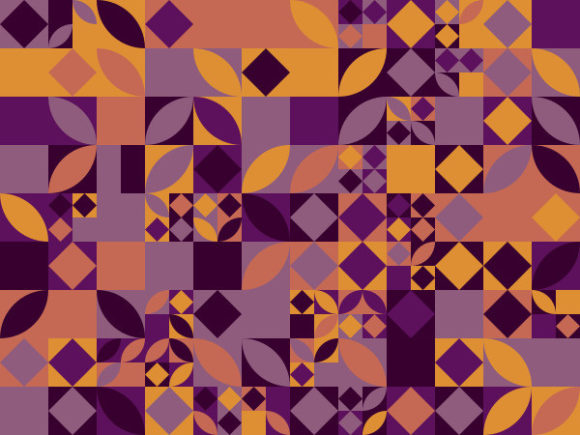
As a designer who spends half my life staring at screens and the other half wrestling with thread tension, I approach new design assets with a mix of excitement and skepticism. When I first pulled up the Display Bohemian Pattern, my initial reaction wasn't about the pixels; it was about the potential texture. The description mentions "getting hands dirty" to create digital papers, and that tactile energy translates surprisingly well into the visual language of the file. This isn't just another generic SVG; it feels like a Print Templates resource that has been reimagined for the needle.
The mood here is distinctly free-spirited but structured enough for professional application. The layout suggests a balance between organic flow and geometric precision, which is often the hardest thing to achieve in a machine embroidery design. For those of us running small shops or selling on Etsy, the visual personality of a design dictates the price point. A sloppy pattern looks cheap; a thoughtful one looks boutique. Display Bohemian Pattern leans heavily toward the latter, offering a complexity that suggests high value without immediately screaming "impossible to stitch."
Putting the Pattern to the Test: A Tote Bag Scenario
To truly evaluate this Graphics file, I imagined a specific real-life scenario: a custom order for a local farmer's market vendor who needed branded tote bags. She wanted something that felt earthy but modern. I loaded the Display Bohemian Pattern into my digitizing software to simulate how it would behave as an embroidery project.
The scalability mentioned in the file details is crucial here. Because the source is an easily editable SVG, adjusting the scale for a large tote bag panel was seamless. In a real stitching situation, this pattern would likely shine using a combination of fill stitch for the broader areas and satin stitch for the defining outlines. The interplay of these stitch types would create depth, making the finished product feel substantial rather than flat.
If I were producing this for a client, I'd envision using variegated thread colors to enhance the bohemian vibe. A solid color might work, but the intricate details of this pattern beg for tonal shifts. On a heavy canvas tote, the stitch density would need careful monitoring. If the design is too dense, the fabric might pucker, ruining the clean lines. However, if managed correctly with a good cut-away stabilizer, the result would be a rugged, high-end accessory that customers would happily pay a premium for.
Versatility Across Different Products
Beyond tote bags, where else does Display Bohemian Pattern fit? The versatility is one of its strongest suits for a craft business.
- Sweatshirt Embroidery: Placed on the back yoke of a oversized hoodie, this pattern acts as a statement piece. The bohemian aesthetic pairs perfectly with current streetwear trends.
- Baby Embroidery: Scaled down, it could work beautifully on a muslin swaddle or a nursery pillow cover. The soft curves are gentle and appealing for infant products.
- Embroidered Patch: This is perhaps the strongest use case. Digitizing this as a patch allows for maximum detail control. You can stitch it on twill, merrow the edge, and sell it as a standalone small shop product.
- Holiday Embroidery: With the right color palette—think deep reds and greens or icy blues—this pattern adapts well to seasonal decor like table runners or ornament covers.
For Etsy sellers and creative entrepreneurs, the ability to use this across such a wide range of custom apparel and home goods means you can build a cohesive brand collection without needing ten different design files.
Critical Considerations for Execution
While the visual appeal is high, practical execution requires a critical eye. Not every fabric loves every design. Here is where my experience as a reviewer comes in to save you from wasted thread and ruined garments.
Fabric Texture and Weight: This pattern relies on clarity. If you attempt to stitch this on a highly textured fabric like a looped terry cloth or a very loose weave linen, the fine details might get lost. The fabric texture needs to provide a smooth canvas for the design to pop. For stretchy fabrics like jersey knits, you must use a stabilizer that prevents distortion during the wash cycle, or the bohemian lines will warp.
Small Hoop Sizes and Details: If you are planning to use this on a cap or a small pocket, be wary of the smallest elements. Curved surfaces like caps introduce distortion that straight-on designs don't always account for. You may need to manually adjust the pull compensation in your software. Also, check for tiny lettering or extremely thin running stitches. If the original SVG has hairline details, they might not translate well to thread without thickening them up slightly.
Density Management: Large fill areas can become stiff. If you are putting this on a garment that needs to drape softly, like a scarf or a light blouse, you might need to reduce the stitch density or use a lighter weight thread to maintain the fabric's hand.
Maximizing Value and Professionalism
The ultimate goal of using a design like Display Bohemian Pattern is to elevate your brand. A well-executed embroidery job builds customer trust. When a buyer sees clean edges, consistent tension, and a design that fits the product perfectly, they perceive higher quality. This directly impacts your handmade product valuation.
For those creating printable mockup files or digital previews for their shops, this SVG is a goldmine. Since it is scalable, you can generate high-resolution images for your listings without pixelation. This helps buyers visualize the personalized gift or boutique branding item before they even buy, increasing conversion rates.
Final Designer Notes and Best Practices
Before you commit to a production run, here is my checklist for working with this specific file type:
- Test on Scrap First: Never skip this. Stitch the design on the exact fabric you plan to use. Check for puckering and registration issues.
- Check Contrast: View your test stitch-out in black and white. Does the design hold up without color reliance? This ensures visibility on various backgrounds.
- Verify Licensing: The file description notes it is easily editable, but always confirm the license terms regarding commercial embroidery. Can you sell the physical item? Can you sell the digitized file? Clarify this before listing on marketplaces.
- Stabilizer Selection: Match your stabilizer to the fabric weight. Heavy designs need strong support; delicate fabrics need tear-away or water-soluble options to avoid stiffness.
- Thread Choice: Experiment with matte versus rayon threads. A bohemian pattern often looks more authentic with a matte finish, while rayon adds a sheen that might feel too corporate for this specific aesthetic.
In conclusion, Display Bohemian Pattern is a robust asset for the modern maker. It bridges the gap between digital flexibility and tactile craftsmanship. Whether you are decorating a single tea towel as a gift or rolling out a new line of apparel decorators merchandise, this design offers the artistic flair needed to stand out. Just remember, the file is only half the battle; your skill in managing tension, density, and fabric choice is what turns a good digital embroidery file into a great finished product.